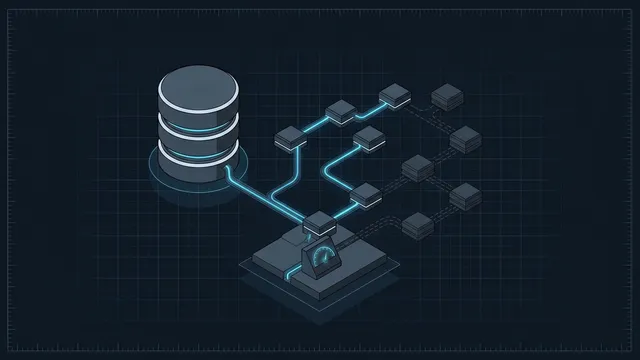
Profiling First, Prompting Second: Using AI to Optimize Slow Code
How to structure AI-assisted performance work — what profiling data to share, how to frame bottlenecks, and how to validate that a suggested fix actually helps.
Tag
13 articles
How to structure AI-assisted performance work — what profiling data to share, how to frame bottlenecks, and how to validate that a suggested fix actually helps.
How to use AI coding assistants as a first-pass code reviewer — prompting for real feedback on code you wrote, interpreting what it finds, and fitting it into your workflow.
How to give an AI coding assistant exactly the architectural context it needs to write code that fits your project — without overwhelming it with noise.
How to split a complex feature into agent-sized sub-tasks that execute reliably — with concrete patterns and scope rules that prevent drift and rework.
How to use AI coding assistants to navigate major library upgrades — feeding changelogs, mapping the breaking change surface, and validating the result.
Practical techniques for recognizing when an AI coding agent has gone off track and redirecting it effectively — before it digs you deeper into the wrong solution.
How to use AI coding assistants as a guide when navigating code you didn't write — from getting an architectural overview to tracing execution paths.
How to use AI coding assistants for safe, incremental refactoring — scoping the work, writing safety tests, reviewing generated diffs, and avoiding common pitfalls.
How to extend your AI coding assistant with Model Context Protocol servers — connecting it to your database, APIs, and custom tools in about ten minutes.
How to prompt AI coding assistants to generate tests that actually catch bugs — edge cases, failure modes, and boundary conditions, not just happy-path boilerplate.
How to keep AI coding assistants accurate across a long feature branch — when to trim, reset, and summarize context so the model stays focused.
How to structure debugging sessions with an AI assistant — what runtime context to share, how to frame the problem, and how to verify a diagnosis before patching.
A practical checklist for reviewing AI-written code — catching hallucinated APIs, subtle logic bugs, and security gaps before they reach production.