Profiling First, Prompting Second: Using AI to Optimize Slow Code
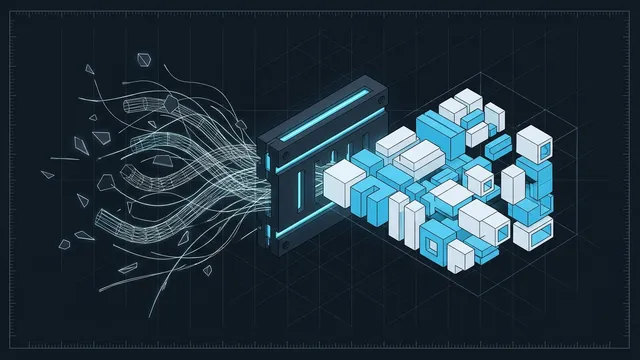
How to structure AI-assisted performance work — what profiling data to share, how to frame bottlenecks, and how to validate that a suggested fix actually helps.
Everything we know about building AI software that actually ships — written for engineers, no fluff.
How to structure AI-assisted performance work — what profiling data to share, how to frame bottlenecks, and how to validate that a suggested fix actually helps.
How to use AI to write commit messages, pull request descriptions, and changelogs that actually communicate intent — and where the workflow breaks down.
How to use AI coding assistants as a first-pass code reviewer — prompting for real feedback on code you wrote, interpreting what it finds, and fitting it into your workflow.
How to give an AI coding assistant exactly the architectural context it needs to write code that fits your project — without overwhelming it with noise.
How to split a complex feature into agent-sized sub-tasks that execute reliably — with concrete patterns and scope rules that prevent drift and rework.
The practical model behind next-token prediction, tokens, context windows, and sampling — the fundamentals every other post on this site assumes you already have.
How to use AI coding assistants to navigate major library upgrades — feeding changelogs, mapping the breaking change surface, and validating the result.
Practical techniques for recognizing when an AI coding agent has gone off track and redirecting it effectively — before it digs you deeper into the wrong solution.
How to use AI coding assistants as a guide when navigating code you didn't write — from getting an architectural overview to tracing execution paths.